
Light weight concrete blocks manufacturing machines in IRAN
- Home
- About Us

We’re a global award wining company
Light Weight Concrete Blocks Manufacturing Machines in Iran – Technology, Benefits & Market Insights
The construction industry in Iran has been growing steadily due to rapid urbanization, infrastructure development, and housing projects. Among the materials gaining popularity, lightweight concrete blocks have become the material of choice for residential, commercial, and industrial buildings due to their strength, thermal insulation, and reduced structural load. The demand for lightweight concrete blocks has opened ways for the modernization of block manufacturing machines, contributing to production efficiency, assured quality control, and reduced operational costs. The right block manufacturing machines constitute an invaluable long-term investment towards the productivity of the builders and manufacturers in the quest to meet project deadlines, maintain high standards, and remain competitive within the ever-changing construction market of Iran.
We’re a global award wining company
What Are Light Weight Concrete Blocks?
Lightweight concrete blocks are building materials made using lightweight aggregates such as expanded clay, pumice, or aerated concrete, giving them a lower density than traditional concrete blocks. They provide strength without adding too much weight to the structure, making them usable in both load-and non-load-bearing applications. These blocks have excellent thermal and sound insulation, fire resistance, and ease of handling, which adds further advantages to their use. Used in residential, commercial, and industrial projects, lightweight concrete blocks speed up construction by reducing structural load, thus enhancing energy efficiency, making them a sustainable and cost-effective option in contemporary building practices.
Types of Light Weight Concrete Blocks Manufacturing Machines
- Cellular Lightweight Concrete (CLC) Block Making Machines
These are machines for producing blocks from a mixture of cement, water, and a stable foam. Such machines use a very low amount of energy in the process and are thus relatively simple and easy to operate. The CLC plant typically consists of a foam generator, a special mixer, pump, and cutting machine. The most crucial part of the entire machine is the foam generator, which generates the foam that imparts lightweight and cellular nature to the blocks. The mixer is a special type of machine that is meant to blend the foam with the cement slurry in a gentle manner without destroying the air bubbles. The pump then conveys the mixture into the molds. The larger blocks are cut to accurate smaller sizes using the CLC block-cutting machine, typically thin wires or saws, after an initial curing time. These systems can be given as complete turnkey companies of various capacities, from small setups for local production to larger industrial setups.
- Autoclaved Aerated Concrete (AAC) Block Making Machines
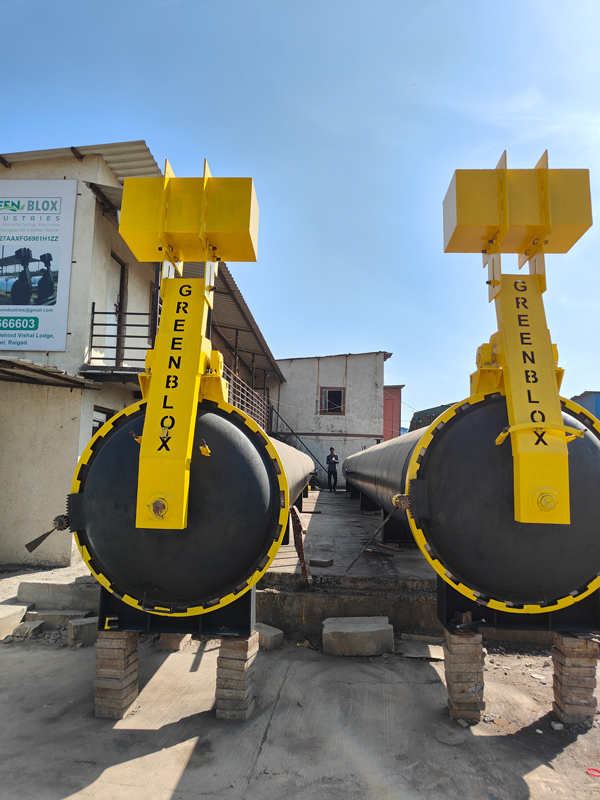
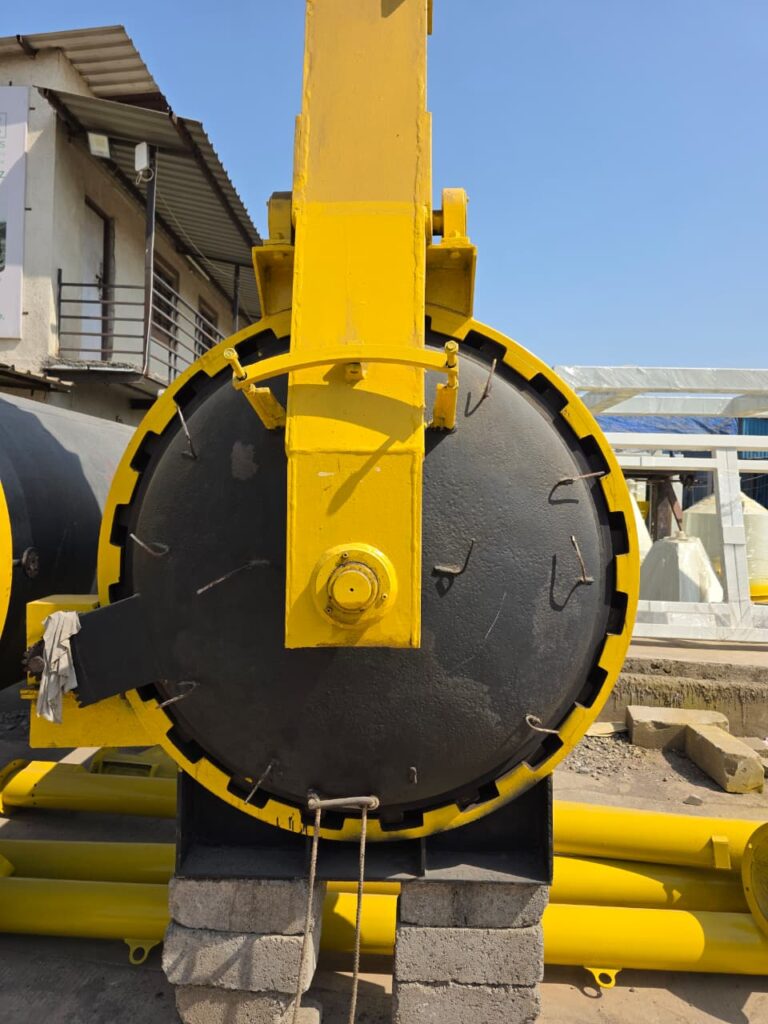
AAC block manufacturing is far more complex and requires high-tech and robust machines due to the pressurization and applications of steam at high temperatures in curing. An AAC manufacturing line begins with raw material preparation systems, including silos for storing cement, lime, and fly ash (or sand), and precise batching systems. The slurry mixer is used for the mixing of these materials with water and very fine aluminum powder, which is the key ingredient for aerated structure formation. After this mixing step, the slurry is poured into large steel molds, which allow the slurry to expand and partially cure. It is very important to fully cut the “green” (uncured) concrete blocks into the correct block sizes with specialized cutting machines using steel wires. Autoclaving is then the last cure that is very important to give the AAC blocks strength, stability, and characteristic properties.
General-Purpose and Automation-Based Machines
These machines, aside from specific technology for CLC and AAC, are classified by their degree of automation, which determines output and labor requirement. Manual machines are very basic and cheap; operations such as filling the molds manually, compressing the mixture using a hydraulic lever, and demolding the block are all done by an operator. Such machines are very suitable for small-scale jobs and site mixes or startups with very limited budgets. Semi-automatic machines serve a good mixture between automation and manual interaction for filling molds, and removing blocks are done by workers, while mixing and vibrating actions are automated. Compared to the manual type, semi-automatic machines increase production speed and consistency. The large-scale industrial sector is taken care of by the fully automatic machines. Such high-capacity systems use hydraulic pressure, vibratory motors, and PLCs to automate every single step in the production cycle, from feeding raw materials to stacking finished blocks. They are a must to achieve high output, consistent quality, and lowered labor cost.
Features to Look for in a Manufacturing Machine
- The compatibility of production capacity with block size
Your business requirements must align with the production capacity of the machine. You actually should calculate the hourly, daily, or shift-wise output requirement just to meet demand. An insufficiency in the capacity of a machine will create a bottleneck, while one with an excessive capacity may be superfluous expense. Likewise, another sine qua non is block size compatibility, which is, that the machine can manufacture all the sizes and shapes in which you need your product. When the machine accepts different sizes and types of molds, it allows you to have a wider product range and greater freedom.
- Energy Efficiency and Automation
With such rising energy costs, energy efficiency is very crucial. Normally the machines are made with advanced technology to consume less energy; thus, they save a lot of money during the life span. Search and put as part of the purchase criteria features like efficient motors and automated power management systems. At the same time, efficiency holds by automation. The less manual intervention of automated machines reduces labor costs as well as achieves much better consistency, very high speed, and safety. A greater level of automation will indeed consolidate operations within the streamlining atmosphere, leading.
- Durance and Maintenance Simplicity
A durable machine made from high-quality and thoroughly engineered components will likely live longer and have fewer unexpected breakdowns, minimizing costly repairs and production downs. Maintenance simplicity is another critical feature. Typically a machine with accessible components, clear instructions, and modular design is easier and faster to service. Simple maintenance procedures minimize the time and the skill needed to do maintenance, keeping the machine in optimal working order with minimal disruption.
- Local After-Sales Support and Spare Parts Availability in Iran
Even for local companies in Iran, a local and trustworthy after-sales service is very important. Availability of trained technicians and call center setups for local after-sales support makes it possible to get problems fixed quickly, especially in reference to complex machinery. In addition, spare parts availability is an uncompromising requirement in the country. After all, a machine is perfect as far as it is repairable. The well-stocked supplier for original spare parts and having a local presence can better create an environment that acts as a counterattack for prolonged downtimes and hassles owing to logistics, giving operational continuity and peace of mind.
Conclusion
the best type of manufacturing machinery would balance performance, cost, and reliability. A thorough evaluation of these key features-production capacity, energy efficiency, durability, and local support-gives an informed decision that will ensure profitability and efficiency for the long term in business.