
Fully automatic AAC block plant supplier in Africa
- Home
- About Us

We’re a global award wining company
Supplier of Fully Automatic AAC Block Plant in Africa - Quality, Efficiency & Sustainability
Autoclaved Aerated Concrete (AAC) was regarded as the boon to the construction industry due to the introduction of using light, robust, and environmentally friendly materials to build structures. By the way, Africa faces rapid urbanization with impressive growth in its infrastructure, and thus the provision of AAC blocks has satisfied the demand for the mobile construction. Fully automatic AAC block plants satisfy all those requirements in producing blocks with high production capacity, precision quality, and reduced workforce loads due to advanced automation. Future needs for durable and energy-efficient materials are all over the continent, and partnership with a good supplier promises the value for the long term. Our expertise, cutting-edge technology, and unwavering commitment to quality make us a trusted name in delivering state-of-the-art AAC block manufacturing solutions for African projects.
We’re a global award wining company
What is a Fully Automatic AAC Block Plant?
A fully automatic AAC block plant is an advanced node of manufacturing which is equipped with a complete process of producing the Autoclaved Aerated Concrete blocks with minimum manual intervention. It automates the machines at every requirement stage of production-from raw material to batching, mixing, and molding-followed by cutting, steam curing, and final packaging. These plants assure consistent block dimensions with a precise control system, superior in strength, and its high finish. Their level of production efficiency, operational cost, and safety collectively are higher than fully automatic with respect of semi-automatics. Waste is thus not possible, optimal resource consumption, and uniformity during large productions runs are maintained. Such plants completely match the demands of Africa’s flourishing construction sector as regards the scale, providing construction materials that are sustainable, eco-friendly, and in line with modern infrastructure needs.
Benefits of Using Fully Automatic AAC Block Plants in Africa
High Production Capacity :Meeting Heavy Construction Demands Fully Automatic AAC Block Plants Designed for High Production Volumes One notable feature of fully automating AAC block plants is that they are set up very largely to supply the enormous future demands of the rapidly emerging construction industry in Africa. These plants manufacture thousands of blocks a day, whereas, traditional methods, are slow and laborious. Further, it is the indispensable supply of building materials for massive infrastructure projects such as affordable housing, commercial buildings, and public works. Process automation streamlines all the steps of production-from raw material mixing through curing and packaging of blocks, resulting in reduced production cycles and faster project completion; it helps keep construction companies in their schedules and budgets and contributes to accelerated urban and rural development across the continent.
Consistent Quality :Precision Automation Ensures Uniform Blocks For Fully Automatic AAC Block Plants Fully automatic AAC block plants can produce blocks of an even higher quality with regard to uniformity. A fully automated system uses the complete precision in measurement and controlled processes as a supplement to mixing raw materials, shaping, and cutting the blocks. This eliminates the human error component typical of manual production that might lead to different sizes, densities, and strengths of blocks. The blocks will then have the features of the best structural integrity, thermal insulation, and fire resistance. For construction projects, such means increased reliability and safety because every block is up to standard. This also ensures minimal waste generation from construction and from rework due to the perfect fit of blocks since the structures will be stronger and more efficient.
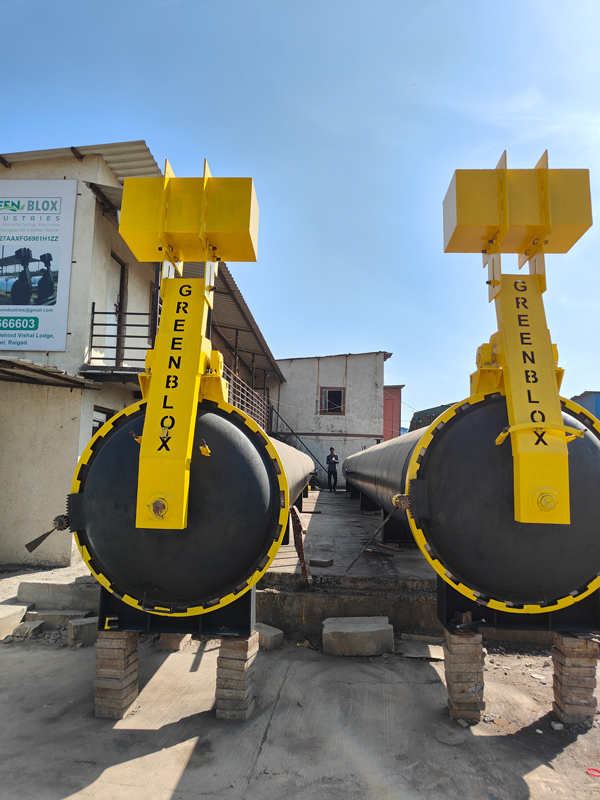
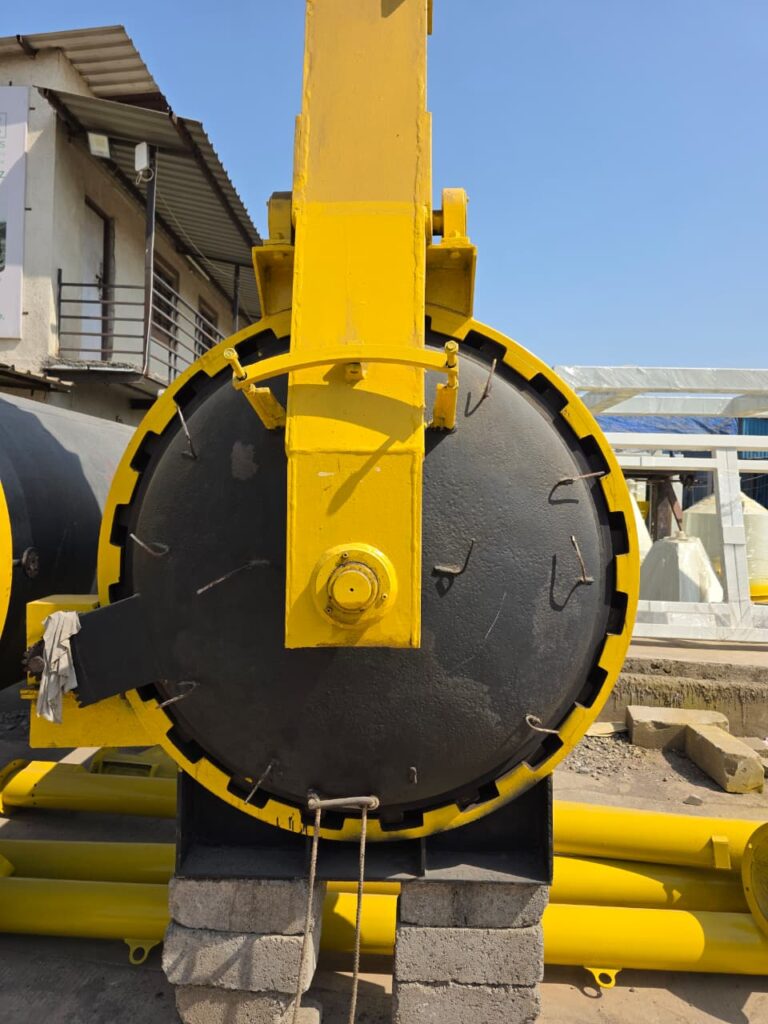
Energy Efficiency :Lower Operational Costs and Reducing Waste Fully automatic AAC block plants are designed to be energy-efficient and translate into reduced operational costs and less pollution of the environment by floor design. Advanced machines and optimized processes minimize energy consumption at each processing stage. For instance, by excellent control of the autoclaving process whereby blocks are clay-cured under high pressures with high steam temperature, energy efficient use ensured without much waste. Additionally, these automated installations recycle with the use of exact quantities of raw materials, making material waste less, yielding leaner and more sustainable operations further. There, energy costs can be very influential in the operation-attributed economic advantage toward AAC block production.
Labour Savings Minimum Manual Intervention Required :The extent of automation in these plants has made it possible to largely eliminate the need for labor-input. Although a workforce is required for the supervision, maintenance, and quality control needs, all the heavy mixing, forming, and transporting of blocks are mechanized. This leads to diminished labor costs and better workplace safety against risks associated with manual heavy material handling and use of machines. With fewer people required for running the operations, they have smaller scaling chances for delivery and little effect on labor shortages or inconsistencies. For the company, this results in more predictable and streamlined production processes and lesser overhead costs while concentrating on other operations areas, such logistics and market expansion.
Eco-friendly Operations : Low Carbon Footprint Fully automatic AAC block plants are at the forefront of sustainable construction because they operate eco-friendly. The main ingredients used in making AAC blocks-in fact, cement, lime, sand, and aluminum powder-are in abundantly available supply and are oftentimes locally sourced; hence, their transportation is reduced. The production process is far low in carbon compared to traditional brick kilns by fossil fuel burning and producing vast quantities of greenhouse gases. Energy efficiencies of the plants contribute to less carbon footprint. Moreover, because of their lighter weight, AAC blocks need less fuel to transport to the construction site. The finished blocks also add energy efficiency to the buildings as they provide excellent thermal insulation, which, therefore, minimizes the heating and cooling needs of the building and ultimately reduces energy consumption in the long run. That means that fully automatic AAC block plants will play a key role in the green building economy in Africa.
Choosing the Right AAC Block Plant Supplier in Africa
- Proven History and Installations with Success Have to say before going for the investment, check the past track record of the supplier. The good reputed suppliers should make the evidence for successful installation of the AAC block plants in Africa or other such working environments. This would include making case studies available for presentation and customers’ testimonies along with an opportunity to visit an operational plant. Such a history is the proof that the supplier knows the logistical and operational issues typical of this region, which include sourcing raw materials, local labor skills, and power supply stability. Therefore, the supplier with a strong history is more likely to provide a reliable and efficient plant that will consistently produce high-quality AAC blocks.
- After Sales Support and Training Services The relationship with a supplier does not “end” at the sale. After-sales support, as well as training, is normally part and parcel of long-term operational success. A good supplier would provide technical assistance and the availability of spare parts. A maintenance schedule is well defined. In addition, training in plant operation, maintenance, and quality control would be given to your local staff. this will result in the easy running of the plant by the staff, solving minor maintenance problems, and maintaining an even quality of product thereby avoiding downtime and maximizing production. This importance of training is most critical in an area where skilled labour is largely inadequate.
- Advanced Automation and Customizable Options Last but not least, a modern-compliant AAC block plant should also feature efficiency and flexibility for it to remain competitive. Go through suppliers that offer advanced automation and customization options. Automated material handling and mixing are also humanless; these will surely give way to more consistent end-product quality and higher plant efficiency. Customization is a must because it tailors the production capacity of the plant to an exact amount of material that needs to be produced with regards to size of block that is to meet local market demand. By offering the ability to manufacture blocks with different as well as dimension variations on the same machine, flexibility will be made possible in expanding the service offerings to more construction projects such as load-bearing walls and thermal insulation applications.
- Compliance to African Construction Standards Compliance of the outputs of the plant to local construction standards and even regional standards is key. Not all suppliers go by the international standards set up (e.g., ISO, CE), however, it must be checked if the supplier’s equipment and manufacturing process will give AAC blocks that will meet the local demands of the African building codes. This includes specific tests of compressive strengths, dimensions, and thermal properties. The supplier who already knows the standards-who is ready to help in getting you through those standards-will put you in a very good position to avoid your products undergoing complex regulatory hurdles and enhance their market acceptance in the local construction market.
Conclusion
All in all, choosing which supplier an AAC block plant should depend on in Africa is a strategic move that will involve a careful consideration of a number of key factors. Ideally, suppliers will have proven track records, commitment to after-sales support and training, and sufficient ability to provide customers with advanced, customizable, and compliant technology. These considerations will lead to a secure, efficient, and profitable plant for long-term operational success and address the increasing need for high-quality building materials in Africa.