
Low-cost AAC block machine manufacturers in India
- Home
- About Us

We’re a global award wining company
The cheapest AAC block machine manufacturer in India - affordable and effective solution in the construction industry
In the construction industry, autoclaved aerated concrete (AAC) blocks are occupying the India market, mainly due to their mild, excellent insulation capacity and environmental friendship. Demand for low cost and sustainable construction materials is increasing, so AAC blocks are preferred for residential, commercial and industrial projects. AAC blocks are produced using a special AAC block machine, which ensures accurate, constant and efficiency in their manufacturing process. Entrepreneurs and small medium-prime builders can invest in low-cost AAC block machines to get admission in this high-deserving market. Increasing interest among low -budget makers is making innovation and access campaigns in the Indian construction market.
We’re a global award wining company
What is an AAC Block Machine?
An AAC (Autoclaved Aerated Concrete) block machine is equipment specifically designed for the manufacture of lightweight precast building blocks from the mixture of cement, lime, sand, fly ash, and an aerating agent. The machine does mixing, pouring, pre-curing, cutting, and autoclaving automatically to ensure that the blocks are of uniform size, shape, and quality. Different AAC block machines can range in capacity and varying levels of automation targeted either to small- or large-scale production. These machines play a significant role in the manufacture of durable, thermally efficient, and eco-friendly blocks, making them a suitable alternative to traditional clay bricks in modern construction projects.
Factors to Consider Before Buying a Low-Cost AAC Block Machine
- Production Capacity: It’s not just about price; it should also be assessed on the actual amount produced by the machine. Usually, lower-priced machinery means lower production capacity. Thus, the machine output should be matched to your business plan and market demand. Brian sets up only a few blocks a day; no matter how low the investment, it will not be viable.
- Automation Level: Most low-cost machines are semi-automatic or manual and require a larger workforce. By that, capital costs are kept low initially but come at higher operating costs later-on with possibly inconsistent quality. Weigh these points against the prices of the machines at your upfront cost versus future labor needed.
- Quality and Durability of Components: A machine’s low price can sometimes mean low-cost and cheap materials. Check the quality of machine components such as the mixer, molds, and cutting mechanism. A machine breaking down often incurs expensive repairs as well as time loss during production periods, negating any initial savings.
- Energy Efficiency: An inexpensive machine may not be energy-efficient. Power consumption is one of the biggest drains on operating costs after a while. Look for machines that have energy-saving features so that your business remains profitable and environmentally-friendly over time.
- Maintenance and Technical Support: Get information about manufacturer’s reputation in after-sales service and spare parts availability. A less-known company machine may be difficult to maintain as spare parts may not be easily available, and technical support may not exist. Choosing the right one ensures that you have a support system with minimized downtime.
- Convenience and Training on Operation: It may not be very user-friendly with a low-cost machine. What is the learning curve for your operators? The machine with easy operation assists you to fast-track production and reduces errors through clear instructions and training from manufacturers.
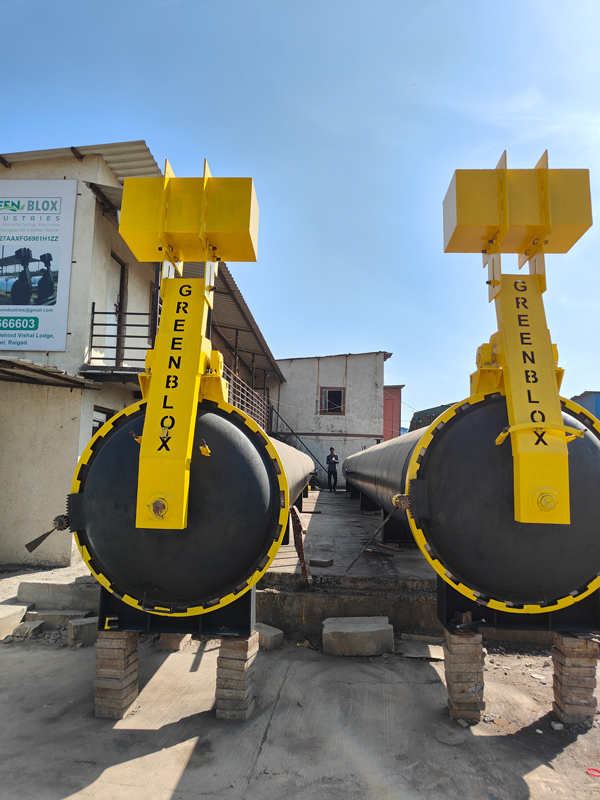
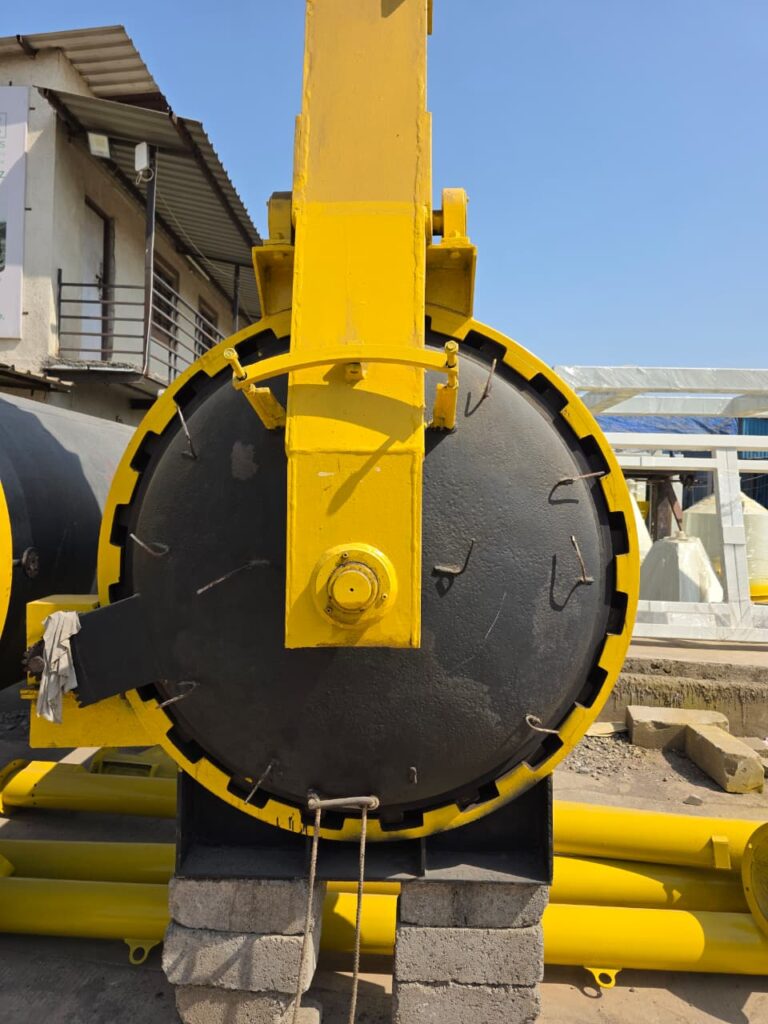
- Needed Infrastructure and Raw Materials: Get the whole picture. A ‘cheap’ machine may not contain some of the components, such as autoclaves for curing, and may have specific requirements for raw materials, power, and factory area. The cost of these additions must be included in the real investment picture.
Benefits of Choosing Low-Cost AAC Block Machines
- Cost efficient but not at the cost of quality: The least cost machines are associated with the affordability of the initial investment. Most of these are low-cost machines manufactured by several Indian manufacturers and keep up the quality standards to produce durable blocks that are at par with industry standards. This gives startups or small contractors competitive pricing without compromising on the integrity of their products.
- The best fit for new businesses, small contractors, and budget builders: These machines are most suitable to the smaller operations. These machines will have lesser production capacity than the other, thus suiting the first demand needed by a newly starting business. This would help in scaling operations slowly and at the same time lower the financial risk posed in being at the larger scale. With a machine in possession, contractors and builders incur great savings regarding materials costs for their projects.
- Energy efficiency and reduced production costs: Most low-cost AAC block machinery is designed with energy-efficient systems, thus helping reduce the amount of electricity used in the entire production operation. Also, AAC blocks mostly use cheaper and more available raw materials like fly ash, which is a waste of thermal power plants. Both advantages concerning energy efficiency and cheap raw materials result in lower overall production costs and hence higher profit margins.
- Local availability and aftersales support in India: Increasing demand for AAC blocks has witnessed a proportionate increase in local manufacturers and suppliers of AAC block machines across India. Local availability can benefit an enterprise because it can easily acquire the machines and promptly carry out after-sales support, spare parts, and maintenance services. Such a local ecosystem reduces downtime and logistical challenges that may prove to be a big concern for small businesses.
Conclusion
It is, therefore, a wise and lean investment for small- and medium-scale startups and entrepreneurs in India’s booming construction industry to buy a low-cost AAC block-making machine. It is just the right combination of affordability, quality, and operational efficiency for them to produce state-of-the-art construction material catering to high demand. Indeed, this strikes cost efficiency and energy efficiency while tying in a strong local support network, proving to be the perfect and effective investment for newcomers into the construction industry.